How did Andy Warhol define Silk-Screening?
First, the same process is known by many names. Here are the various names that describe the process. Silk Screen. Silk Screening. Screen Printing. Serigraphy. Serigraph Printing. According to Wikipedia Silk screening is a form of Stenciling that appeared in China (960-1279AD) during the Song dynasty. Stenciling according to dictionary.com is a device for applying a pattern or design to a surface consisting of a thin sheet of cardboard, metal or other material which figures or letters have been carved out. A coloring substance is applied for passes through the “openings” or patterns and leaves those designs on whatever surface the stencil was applied too. Andy Warhol defined silk screening in the most traditional of ways. A process in which he could transfer images from magazines or newspapers to canvass.
Andy Warhol's Step by Step Silk Screening Process
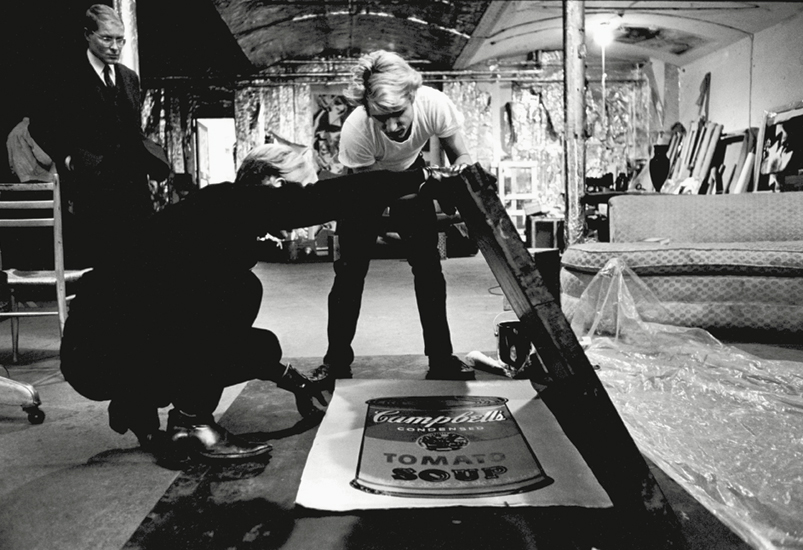
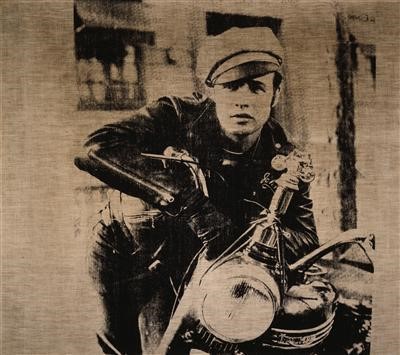
This VIDEO shows Andy Warhol silk screening the Marlon Brando you see below.
https://www.youtube.com/watch?v=CzrPmfaYcMM
The Andy Warhol Silk Screen process itself:
- Stretch a piece of mesh over a frame (The finer the mesh the more detailed the resulting image will be)
- Lay the screen on top of your paper print
- Block off parts of the screen using a stencil (In the cases you do want elements of the image to transfer)
- Apply emulsion (Andy Warhol applied photo emulsion)
- The image will now appear on the screen or mesh
- Place the screen onto the surface you want your “reproduced” image to appear
- Apply ink. (You can see Warhol going through these last steps exactly in the provided video)
Andy Warhol would use this process on numerous materials or surfaces. Each would change the image itself. Even the Catalogue Raisonne is not certain of all of them. Here are a few examples:
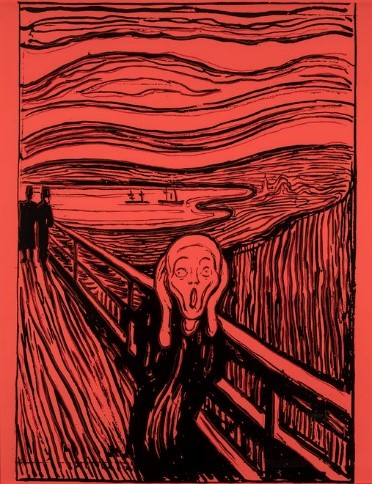
Warhol used colored Lennox board for this screen print.
Lenox Museum Board – Here is lesser known Warhol example using this medium:
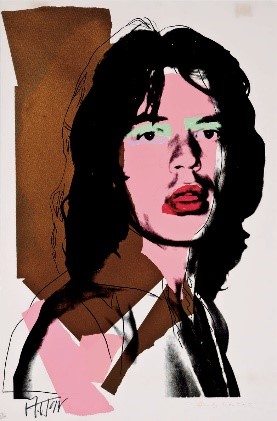
This Andy Warhol Screen print was made with Arches Aquarelle mold a 100% cotton material.
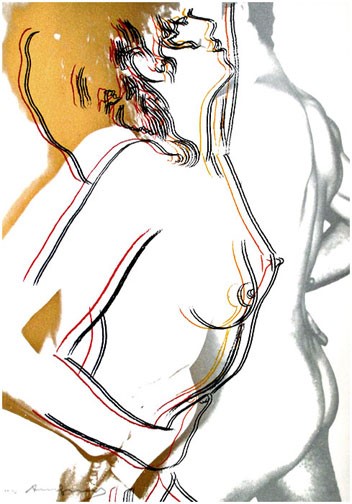
Rives BFK: Mold made in France, 100% Cotton, Neutral pH, smooth, watermarked
Warhol used many different mediums over the years, and there are volumes and volumes of art books dedicated to the review and commentary of his work. A few that we used as reference for this blog post are as follows:
- The Andy Warhol Catalogue Raisonne (Paintings and Sculptures 1961-1963)
- Andy Warhol – A retrospective
- Andy Warhol Prints – A Catalogue Raisonne 1962-1987
Why did Andy Warhol use Silk Screening?
Warhol’s key concept as an artist was the “industrialization” of art. Screen Printing was a process. A process in duplication. In using other people’s work and expanding upon their original concept. It wasn’t easier which Warhol would claim throughout his career. Silk Screening just matched Warhol’s sensibilities. At the time Andy Warhol was surging in popularity as a leader in the Pop Art movement some people would refer to the Screen Printing device as a machine. This corresponded to an often expressed wish of Andy’s ...to be a machine. To quote Warhol directly:
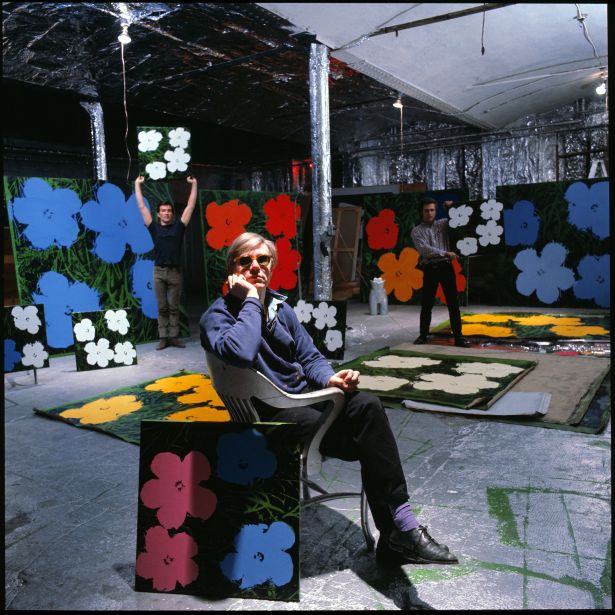
“In August of 62, I started doing Silkscreens. The rubber-stamp method I’d been using to repeat images suddenly seemed too homemade. I wanted something stronger that gave more of an assembly-line effect” (Andy Warhol and Pat Hackett POPism: The Warhol 60s
When did Andy Warhol use Screen Printing?
The first popularized Andy Warhol screen print was seen in 1962. It was his Marilyn Monroe’s, and we’ve already done a chronological order to those prints. Andy Warhol would use many mediums to produce art. Video, Sculpture, Photo Engraving and much more. Warhol would use screen printing from 1962 to 1987. Here are some prime examples of screen printed work spanning that 26-year period.
- 1962 – Uses hand cut silk screens and photo silk screens to make paintings. The first example is the Marilyns.
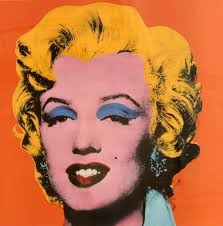
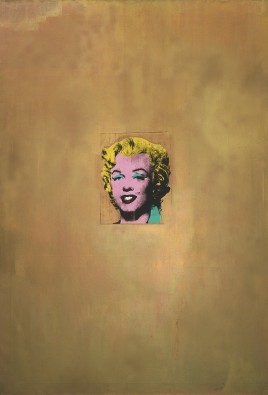
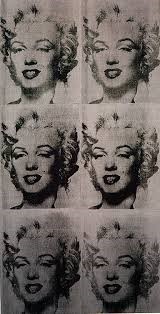
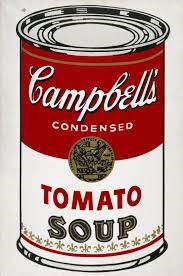
- Campbell’s Soup Can (Tomato) 1964
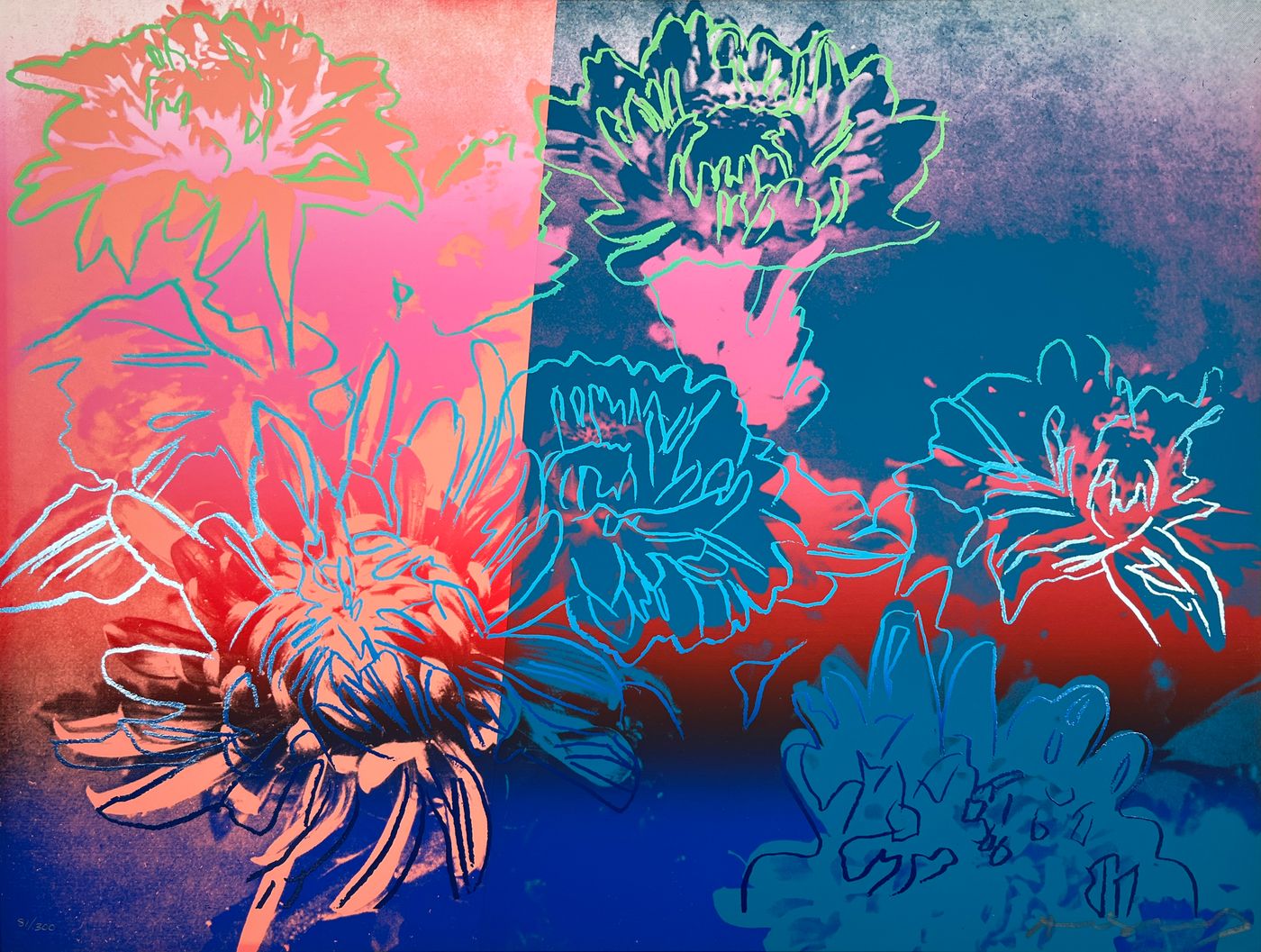
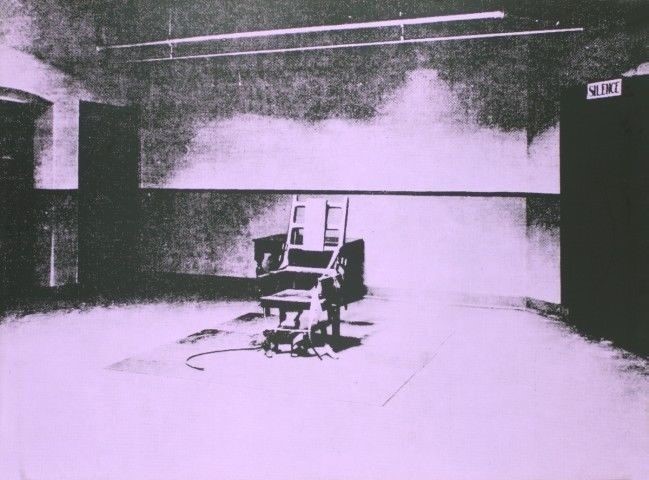
- 1970-71 Creates “Flowers” (see image above) and Electric Chair
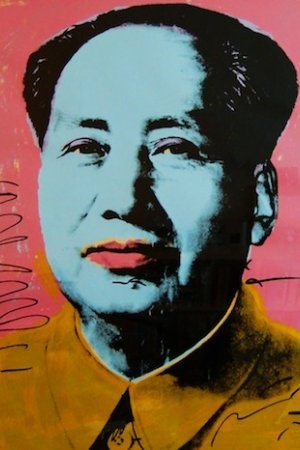
- 1973-74 Mao
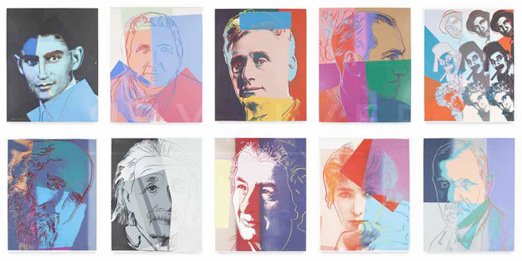
- 1980 - Ten Portraits of Jews in the Twentieth Century
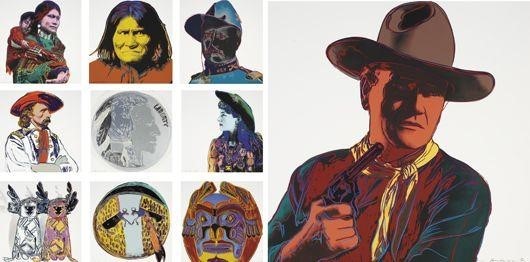
- 1986 - Cowboys and Indians
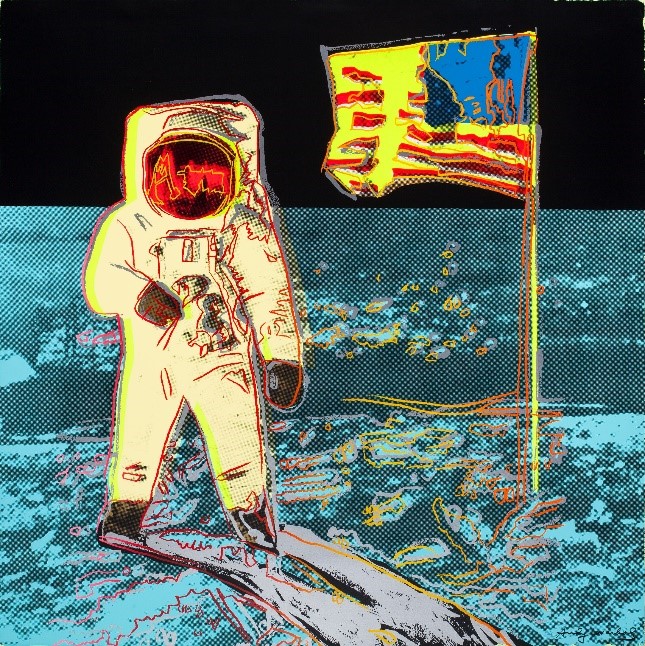
- Moonwalk – 1987
Where did Andy Warhol produce his Screen Prints?
Warhol used a combination of individual and corporate printers as well as his facilities throughout his career. Here is an incomplete list:
- The Factory – His studio the address of which changed a few times over the years.
- Andy Warhol Enterprises Inc. – Again his studios later in his career.
- Styria Studis Inc.
- Alexander Heinrici
- Rupert Jasen Smith
- Salvatore Silkscreen CO.
- Aetna Silkscreen Productions.
Most of these individuals and companies were located in New York. If you would like additional information such as addresses leave us a comment with an email address.